
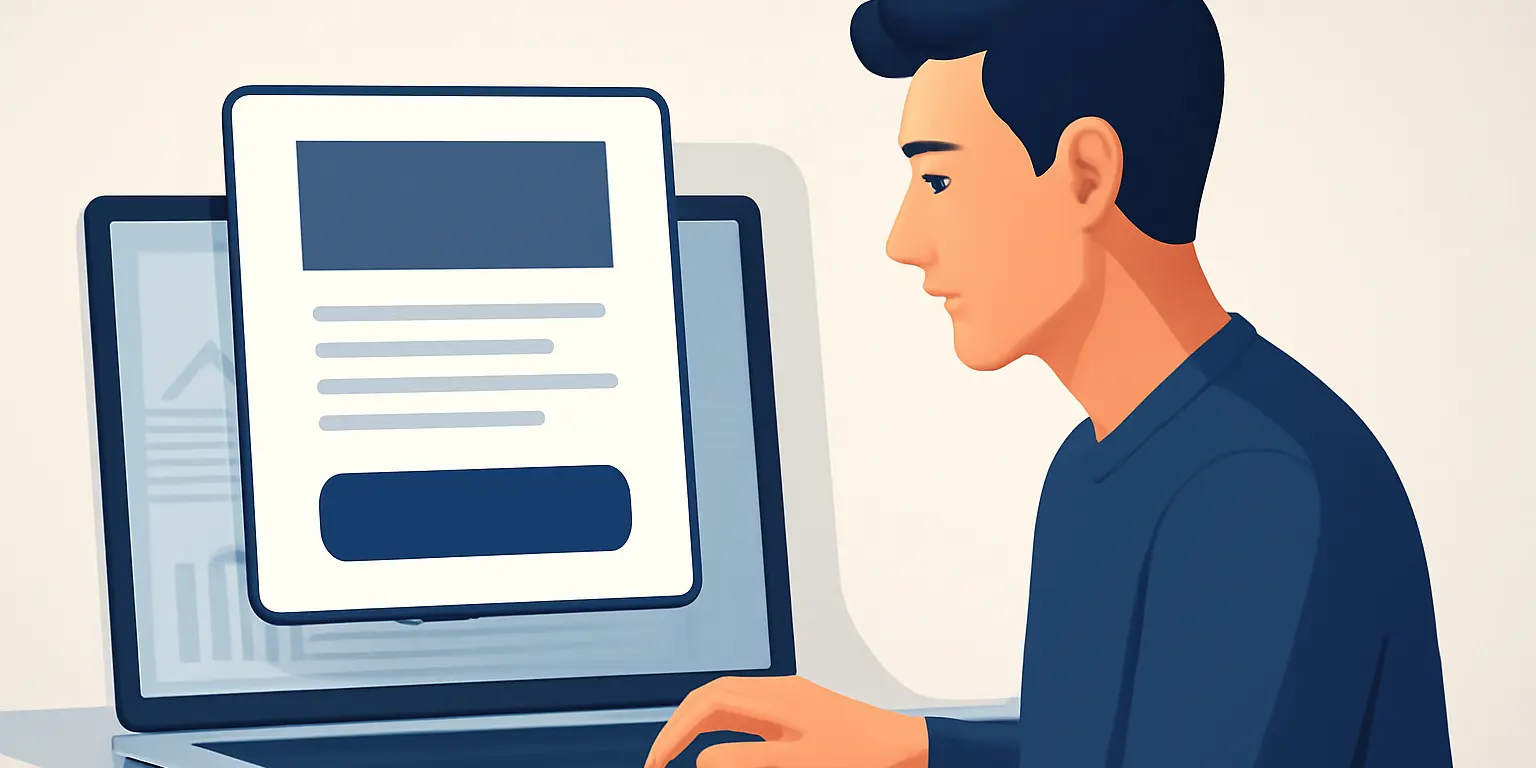
Maximizing Conversions with Effective Popup Strategies
Introduction
In the digital landscape, maximizing conversions is a crucial aspect of any online business. One effective method to enhance user engagement and boost conversion rates is through the strategic use of popups. While many users may view popups as intrusive, when designed and implemented correctly, they can provide significant value to both the user and the business.
This article will explore various popup strategies that not only capture attention but also convert visitors into loyal customers. We will delve into best practices, common mistakes to avoid, and real-world examples to help you harness the full potential of popups on your website.
Understanding the Purpose of Popups
Before implementing popups, it’s essential to understand their purpose. Popups can serve various functions, including:
- Collecting email addresses for newsletters.
- Offering discounts or promotions.
- Encouraging social media shares.
- Gathering feedback through surveys.
- Promoting new products or services.
Identifying the primary goal of your popup will guide its design and content, ensuring it resonates with your target audience.
Best Practices for Designing Effective Popups
1. Timing is Key
One of the most critical aspects of popup effectiveness is timing. Consider the following strategies:
- Display popups after a user has spent a certain amount of time on your website.
- Trigger popups when a user is about to leave the site (exit-intent popups).
- Utilize scroll-triggered popups that appear after a user has scrolled a specific percentage down the page.
2. Keep It Simple
A cluttered popup can overwhelm users. Ensure your popup is clean and concise:
- Use clear, compelling headlines.
- Limit the amount of text and focus on a single call-to-action.
- Incorporate visually appealing design elements without overdoing them.
3. Personalization Matters
Personalizing popups can significantly improve engagement. Use data to tailor your message based on user behavior:
- Display different popups for first-time visitors versus returning users.
- Offer location-based discounts or promotions.
- Utilize browsing history to recommend products or services.
Common Mistakes to Avoid
Even with the best intentions, there are common pitfalls to avoid when using popups:
- Overusing popups, leading to user frustration.
- Failing to provide an easy way to close the popup.
- Neglecting mobile optimization, resulting in poor user experience on mobile devices.
- Not testing different designs and messages to see what resonates with your audience.
Real-World Examples of Successful Popup Strategies
Several companies have successfully utilized popups to enhance their conversion rates:
- Shopify: Uses exit-intent popups offering discounts to capture abandoning visitors.
- Pandora: Engages users with personalized recommendations based on their listening history.
- Airbnb: Implements location-based popups to highlight deals in users’ areas.
Measuring Popup Effectiveness
To ensure your popup strategies are working, it’s vital to measure their effectiveness. Track the following metrics:
- Conversion rate of the popup itself.
- Engagement metrics (click-through rates, time spent on site).
- Impact on overall website conversion rates.
Analyzing these metrics will help you refine your approach and improve results over time.
Conclusion
Popups can be a powerful tool for maximizing conversions when executed thoughtfully. By understanding their purpose, adhering to best practices, avoiding common mistakes, and learning from successful examples, you can create popups that effectively engage users. Remember, the key is to provide value to your visitors while maintaining a seamless browsing experience. With the right strategies in place, your popups can not only enhance user interaction but also significantly boost your conversion rates.